23 Nov 2026
Charting Milestone Alignments That Connect Portable Table Interfaces with Tiered Funding Protocols in Global Networks
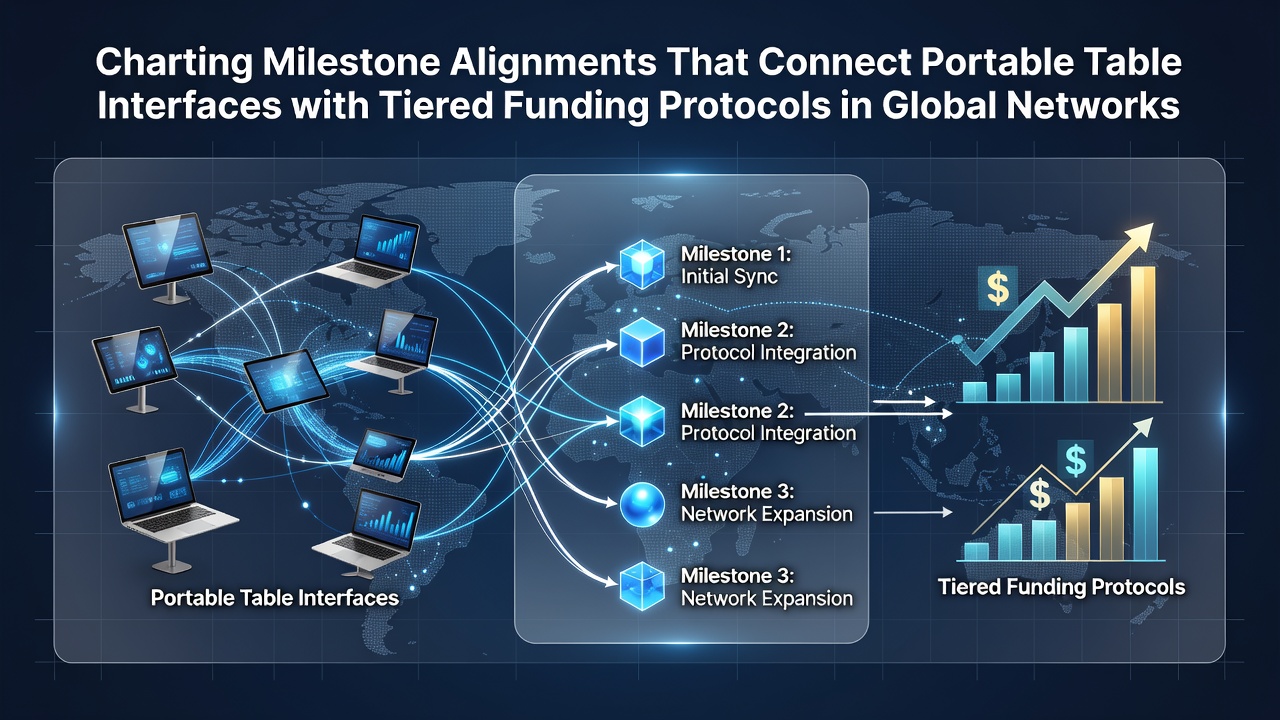
Portable table interfaces now integrate directly with tiered funding protocols across global gaming networks, and observers note that milestone alignments mark key points where device compatibility meets structured payment layers. Researchers track these alignments through development cycles that span multiple platforms, and data from industry reports show how portable systems reach synchronization points with funding tiers at regular intervals. Those who monitor the sector point out that November 2026 features several scheduled reviews where new interface standards connect to updated protocol thresholds in cross-border setups.
Core Components of Portable Table Interfaces
Portable table interfaces operate through mobile applications that replicate live dealer environments on tablets and smartphones, while experts describe these systems as relying on real-time data streams that link player actions to backend servers. Studies from technology firms indicate that interface milestones often align with updates in graphics rendering and latency reduction, and these changes enable smoother connections to funding mechanisms that scale according to user activity levels. People familiar with the infrastructure explain that each milestone incorporates testing phases where device compatibility checks precede integration with tiered access controls.
Tiered Funding Protocols in Global Networks
Tiered funding protocols divide payment structures into levels based on transaction volume, account verification status, and regional compliance requirements, and analysts report that these layers activate at specific thresholds within international networks. Evidence from regulatory filings reveals that higher tiers unlock faster processing times and expanded options for live table participation, whereas lower tiers maintain basic connectivity with additional security layers. According to figures released by the Financial Consumer Agency of Canada, alignment events occur when protocol updates match interface capabilities across multiple jurisdictions.
Mapping Milestone Alignments
Milestone alignments occur at documented checkpoints where portable interface versions reach compatibility with protocol tiers, and those checkpoints include code reviews, security audits, and cross-platform validation tests. Observers track these events through shared industry timelines that coordinate releases among software providers and network operators, while data indicates that missed alignments delay feature rollouts by several months. One case involved a European network that synchronized its mobile table updates with tiered funding changes in early 2025, resulting in expanded access for verified users across connected platforms.
Technical Synchronization Processes
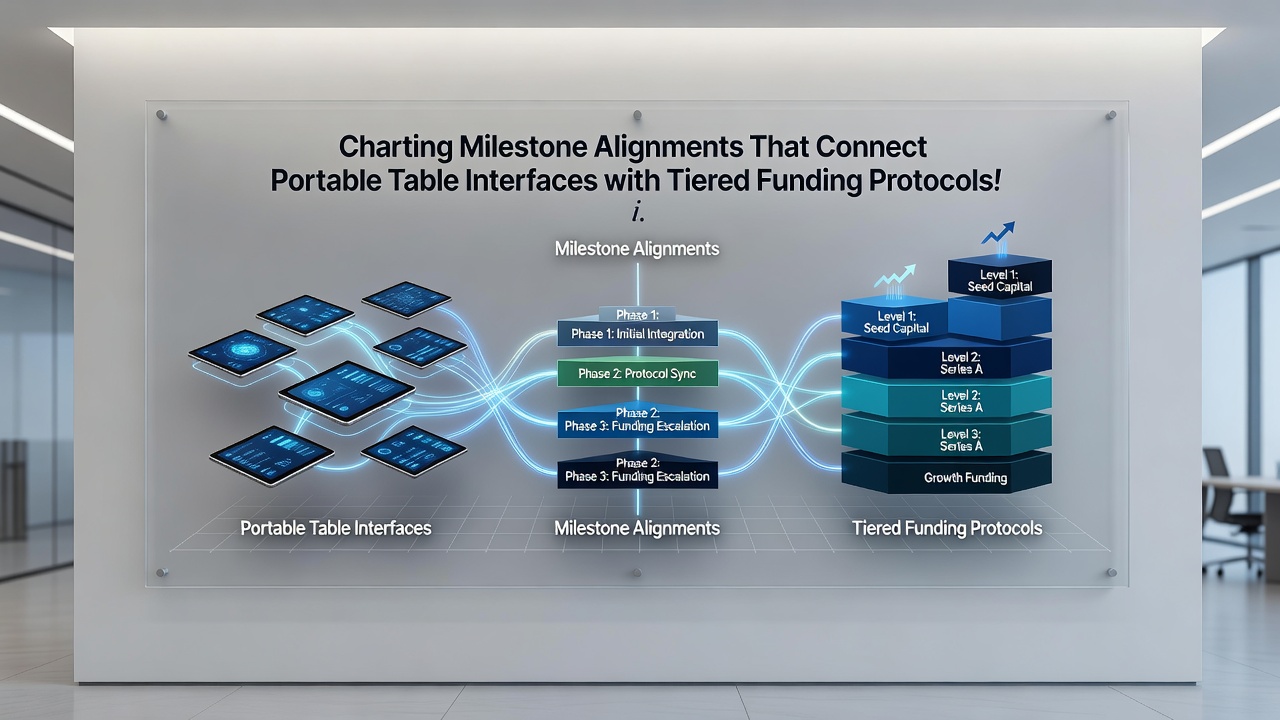
Technical teams use application programming interfaces to bridge portable table interfaces with funding protocols, and these APIs handle data exchange at each milestone point to maintain consistency across global networks. Research papers from academic institutions highlight that synchronization relies on standardized data formats which reduce errors during tier transitions, and testing protocols verify that each alignment supports both low-volume and high-volume transaction pathways. What's interesting is how November 2026 alignments are expected to incorporate new encryption standards that affect how tiers respond to mobile inputs from different regions.
Regional Variations and Network Integration
Global networks show regional differences in how milestone alignments unfold, with North American systems often prioritizing verification speed while Asian networks focus on volume-based tier escalations. Reports from the Australian Gaming Council document that integration challenges arise when portable interfaces encounter varying protocol requirements, yet coordinated milestone planning reduces these friction points over time. Experts note that shared benchmarks help operators align updates without disrupting ongoing table sessions.
Future Developments and Scheduled Reviews
Scheduled reviews in November 2026 will examine how recent interface enhancements align with evolving funding tiers, and preliminary data suggest these sessions will address latency issues in multi-device environments. Industry groups continue to map upcoming milestones that connect portable systems to protocol layers, and evidence shows that successful alignments lead to broader adoption across connected networks. Researchers continue to collect metrics that track the impact of these connections on overall system performance.
Conclusion
Milestone alignments continue to serve as critical junctions between portable table interfaces and tiered funding protocols in global networks, and ongoing documentation supports further coordination among stakeholders. Data collected through these processes provides the foundation for future updates that maintain compatibility across devices and regions.