9 Nov 2026
Engagement Trends Revealing Access to Specialized Dealer Tables and Reliable Funding Options in Mobile Casino Systems
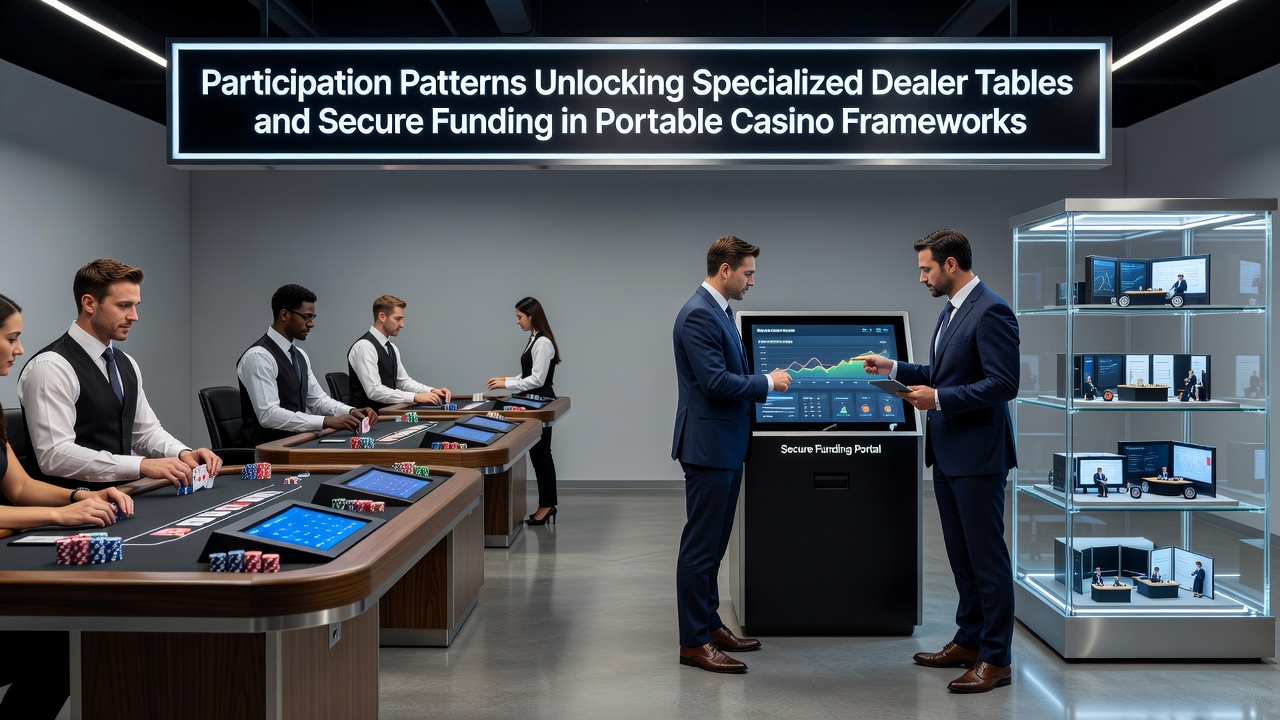
Participation patterns in portable casino frameworks have drawn attention from analysts tracking how user activity levels connect to specialized dealer table access, while secure funding pathways depend on verification milestones that platforms enforce across devices. Researchers at various institutions have documented these dynamics through aggregated data sets that highlight thresholds for entry into premium live environments, and those patterns often align with transaction security protocols that reduce friction once players meet activity criteria.
Core Elements of Player Involvement Metrics
Data collected across multiple mobile networks shows that consistent session lengths combined with varied game selections tend to elevate user profiles into tiers granting entry to exclusive dealer tables, where live interactions occur with higher stakes and customized rules. Observers note that these metrics include metrics like total wagers placed over rolling periods, frequency of logins, and completion of achievement sequences that platforms integrate into their backend systems. According to reports from the American Gaming Association, such structured involvement correlates with increased allocation of resources toward secure payment channels that support instant deposits and withdrawals without repeated identity checks after initial setup.
Platforms operating in regions with established mobile regulations have implemented layered tracking that maps individual behaviors onto broader network trends, allowing operators to adjust table availability dynamically. This approach means participants who accumulate points through regular play unlock tables featuring specialized dealers trained for high-volume environments, and the same data streams guide funding approvals that prioritize encrypted methods tied to verified accounts.
Connections Between Activity Levels and Table Specialization
Studies from academic sources indicate that players crossing certain engagement benchmarks gain priority routing to dealer tables equipped with advanced features such as multi-camera streams and interactive betting interfaces unavailable at standard levels. These shifts happen because algorithms process participation data in real time, matching users to tables based on historical patterns rather than random assignment. In November 2026, several portable frameworks plan synchronized updates that will refine these matching processes further, incorporating additional variables like cross-device consistency to ensure seamless transitions between mobile and tablet sessions.

One case examined by analysts involved a network where users who maintained weekly activity streaks received invitations to specialized tables reserved for participants demonstrating sustained involvement, and this system simultaneously streamlined funding by pre-approving accounts that had cleared prior security layers. Evidence from industry reports suggests such integrations reduce processing times for deposits while maintaining compliance with regional standards enforced by bodies like the Alcohol and Gaming Commission of Ontario.
Secure Funding Mechanisms Tied to Participation
Secure funding in these environments relies on participation patterns that trigger progressive verification steps, where initial low-threshold activities build toward higher limits on transaction volumes and table access. Researchers have found that platforms using this model experience fewer interruptions during live sessions because funding approvals occur automatically once cumulative data meets predefined criteria. Those who've examined transaction logs across portable systems report that encrypted wallets linked to verified profiles handle the majority of movements once users surpass entry-level engagement markers.
Cross-platform tracking plays a role here as well, since patterns observed on one device inform access rights on others, creating unified pathways that connect activity history directly to both dealer table eligibility and funding security features. This linkage appears in frameworks that prioritize multi-factor authentication tied to play duration and variety, ensuring that specialized tables remain available only to accounts demonstrating consistent, secure behavior over time.
Regional Variations in Implementation
Frameworks deployed in North American and European markets apply these participation-based unlocks differently depending on local licensing requirements, yet the underlying data logic remains consistent in directing users toward premium tables and reliable payment options. For instance, certain Canadian provinces have integrated participation thresholds into their oversight models, allowing operators to offer specialized dealer experiences alongside funding tools that comply with federal transaction reporting rules.
Additional examples surface in analyses of Australian mobile networks, where engagement metrics determine not only table access but also the speed at which funding channels activate after initial verification. Data indicates these regional adaptations maintain core principles of matching user activity to specialized resources without compromising security protocols embedded in the portable architecture.
Conclusion
Overall patterns in portable casino participation continue to shape how specialized dealer tables become accessible and how secure funding integrates with those experiences across devices. Aggregated findings from regulatory and academic sources confirm that activity thresholds serve as gateways to both premium live options and streamlined transaction pathways, with ongoing refinements expected through late 2026. These systems reflect coordinated efforts by operators to align user behaviors with platform capabilities in measurable, data-driven ways.